
Navigating ICD-10 Nuances in Primary Osteoarthritis of the Left Knee: A Clinical and Research Perspective

This article explores the importance of accurate ICD-10 coding for primary osteoarthritis of the left knee, highlighting its role in precise diagnosis, treatment planning, and research. It discusses challenges in distinguishing primary from secondary osteoarthritis, the impact of coding errors on patient care and data integrity, and the need for ongoing clinician education. Accurate coding enhances treatment effectiveness, aids fall prevention, and supports the development of personalized therapies. Advances in imaging, patient-reported outcomes, and upcoming ICD-11 updates promise improved disease tracking and management, ultimately improving patient outcomes and healthcare efficiency.
Accurate ICD-10 Coding for Primary Osteoarthritis of the Right Knee: Improving Diagnosis and Treatment

Accurate ICD-10 coding for primary osteoarthritis of the right knee (M17.11) is essential for effective patient care, precise treatment planning, and robust medical research. This article highlights the importance of specifying laterality in knee osteoarthritis to improve clinical outcomes and streamline healthcare communication. Challenges such as miscoding and incomplete documentation impact patient care and data reliability, underscoring the need for ongoing education and technology integration. Advances in digital tools, AI, and collaboration between clinicians and coders promise to enhance coding accuracy and protect patient privacy. Commitment to high standards in ICD-10 coding supports better disease management, healthcare planning, and overall quality of life for patients with right knee osteoarthritis.
Innovations and Challenges in Diagnosing and Managing Unilateral Primary Osteoarthritis of the Right Knee

Unilateral primary osteoarthritis (OA) of the right knee is a prevalent condition in older adults, marked by pain, stiffness, and reduced mobility in only one knee. This article explores the unique features, risk factors—including aging, prior injury, and mechanical stress—and cutting-edge diagnostic techniques like high-resolution imaging for early detection. Comprehensive treatment options are discussed, from physiotherapy and weight management to innovative interventions such as plyometric training, hyaluronic acid injections, and unicompartmental knee replacement surgery. The article highlights the importance of tailored care and early intervention in managing symptoms, slowing progression, and improving quality of life for those with right knee OA. Discover the latest advances and effective strategies to stay active and manage unilateral knee osteoarthritis.
Navigating Diagnostic Complexities and Tailored Treatments in ICD-10 Classified Primary Osteoarthritis of the Left Knee

Accurate ICD-10 coding, particularly using code M17.12 for primary osteoarthritis of the left knee, is vital for precise diagnosis, personalized treatment, and improved patient outcomes. This article explores the diagnostic challenges—including variable symptoms and the need for advanced imaging—while highlighting non-surgical and pharmacological treatment options tailored to individual needs. Emphasis is placed on fall prevention strategies and the growing importance of genetic and molecular research in identifying those at risk. Future advances such as quantitative MRI and targeted therapies offer hope for more effective, individualized care. Learn how proper coding practices support both patient care and healthcare planning in managing left knee osteoarthritis.
Modernizing Knee Osteoarthritis Diagnosis: How Certainty Factor Models Are Enhancing Traditional Imaging

Knee osteoarthritis diagnosis is evolving beyond traditional X-rays and the Kellgren-Lawrence grading scale, which can miss early signs and lead to subjective interpretations. This article explores how advanced computer-based certainty factor models are augmenting classic imaging techniques, combining patient history, clinical data, and sophisticated MRI analysis for earlier and more accurate detection. Recent studies reveal that using certainty models alongside imaging boosts diagnostic accuracy above 90%, allowing for personalized and timely treatment. Learn how integrating these innovative expert systems with established methods offers a more precise, patient-centered approach to knee osteoarthritis diagnosis—helping patients maintain mobility, independence, and quality of life.
Advancing Knee Osteoarthritis Diagnosis: A Multi-Modal Approach for Early and Accurate Detection
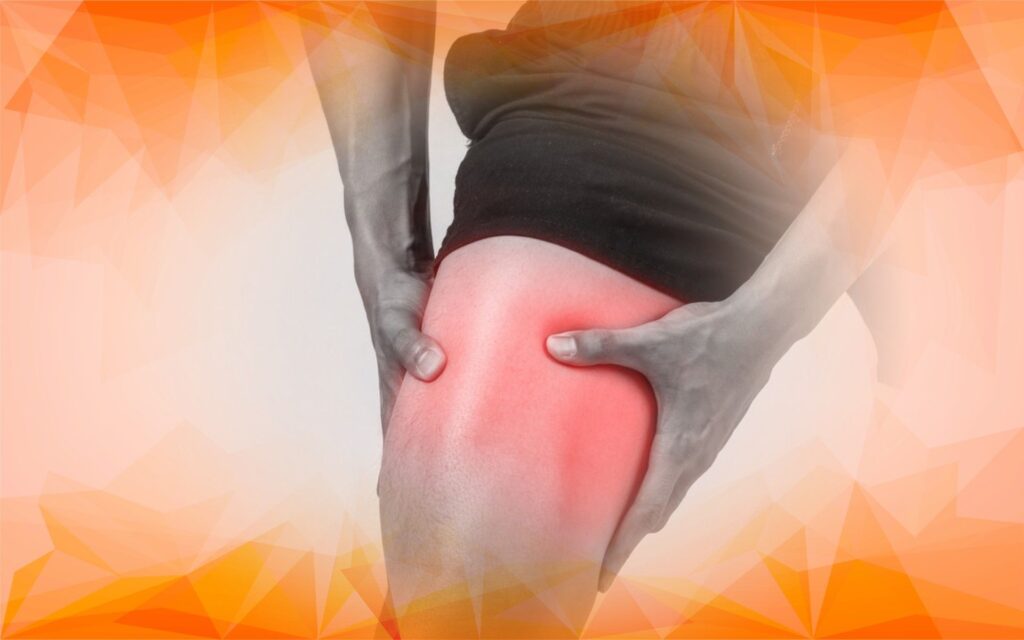
Discover how a multi-modal diagnostic approach is advancing the early detection of knee osteoarthritis (OA). This article explains OA, reviews traditional methods like X-rays and physical exams, and spotlights recent innovations in imaging (MRI, ultrasound), biomarkers, and artificial intelligence. Learn why integrating clinical expertise with advanced technologies offers more accurate diagnoses, enables earlier intervention, and leads to better patient outcomes. Stay informed about how these cutting-edge tools are shaping the future of OA care and improving quality of life for those affected.
