
Redefining Knee Osteoarthritis: Fresh Insights and What They Mean for You

Recent advances in knee osteoarthritis research reveal it as a complex condition involving cartilage degradation, bone changes, inflammation, and biological factors. Beyond traditional X-rays, new diagnostic tools like blood biomarkers, MRI, and movement analysis enable earlier, more precise detection and personalized treatments. Risk factors include mechanical stress, genetics, and aging. Emerging technologies such as wearable sensors and AI-driven health apps support better symptom monitoring and care. These innovations promise improved outcomes, faster diagnosis, targeted therapies, and enhanced quality of life for patients. The future of knee osteoarthritis care is patient-centered, integrating cutting-edge science to transform diagnosis and management.
Redefining Knee Osteoarthritis: An Integrated Diagnostic and Clinical Framework

Discover the latest advances in knee osteoarthritis diagnosis and management. Learn how modern imaging, individualized assessments, and emerging treatments are transforming our approach to this common cause of pain and disability. From early detection using MRI and biomarkers to patient-centered care that includes physical therapy, weight management, and innovative regenerative therapies, explore effective strategies for slowing progression and restoring joint function. Stay informed about the future of knee osteoarthritis care, risk evaluation, and the importance of a comprehensive framework for maintaining mobility and quality of life. Read on for an in-depth overview of evidence-based solutions.
Advancing Knee Osteoarthritis Diagnosis: A Multi-Modal Approach for Early and Accurate Detection
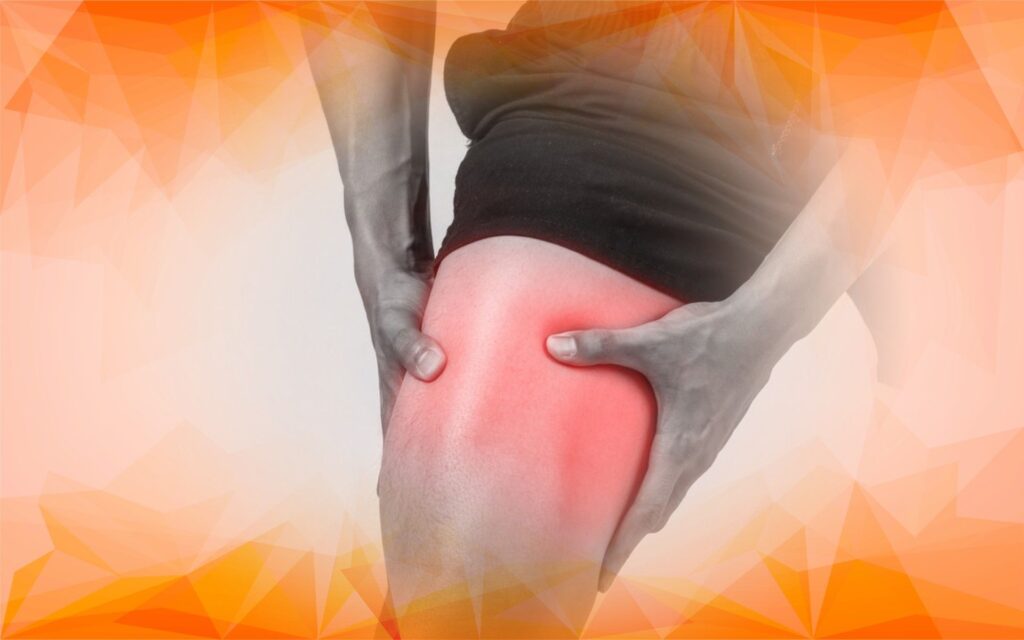
Discover how a multi-modal diagnostic approach is advancing the early detection of knee osteoarthritis (OA). This article explains OA, reviews traditional methods like X-rays and physical exams, and spotlights recent innovations in imaging (MRI, ultrasound), biomarkers, and artificial intelligence. Learn why integrating clinical expertise with advanced technologies offers more accurate diagnoses, enables earlier intervention, and leads to better patient outcomes. Stay informed about how these cutting-edge tools are shaping the future of OA care and improving quality of life for those affected.
