
Innovative Ways to Manage Patellofemoral Pain Syndrome: From Exercise Selection to Everyday Movement Strategies

Patellofemoral pain syndrome (PFPS), known as ‘runner’s knee,’ causes pain around the kneecap, affecting daily activities like walking and sitting. This condition often impacts young women and arises from muscle weakness, poor kneecap alignment, and overuse. Effective management includes targeted exercises—such as quadriceps strengthening and glute bridges—and lifestyle adjustments like proper sitting and sleeping postures. Early diagnosis and personalized treatment plans are essential, as some physical tests have limited sensitivity. While conservative treatments often relieve symptoms, persistent cases may require advanced interventions, including surgery. Utilizing evidence-based strategies and resources like NHS guides can help reduce PFPS discomfort and improve knee function, enabling a return to active, pain-free movement.
Understanding the Biomechanical Link Between Patellofemoral Pain Syndrome and Knee Osteoarthritis

Discover the biomechanical link between patellofemoral pain syndrome (PFPS) and knee osteoarthritis (OA) in this comprehensive article. Learn how muscle imbalances and poor knee alignment in PFPS can increase the risk of developing OA over time. By understanding early warning signs and the impact of joint mechanics, patients and healthcare providers can take proactive steps with targeted physiotherapy, exercise, and preventative care to manage pain and prevent long-term joint damage. Explore research-backed insights on diagnosis, treatment, and the importance of early intervention to stay active and protect knee health.
Bridging the Gap: How Patellofemoral Dysfunction Can Lead to Knee Osteoarthritis
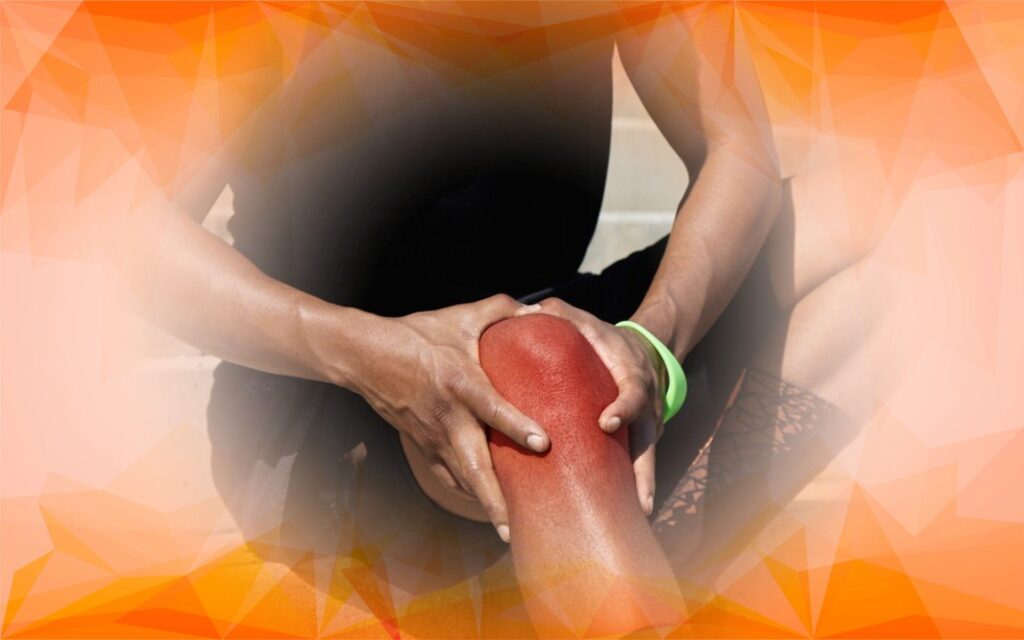
Patellofemoral pain syndrome (PFPS) causes pain around or behind the kneecap and is a common knee issue, especially during activities like climbing stairs or squatting. Recent research indicates that untreated PFPS may increase the risk of developing knee osteoarthritis (OA) due to ongoing abnormal joint mechanics and cartilage wear. Accurate diagnosis through clinical examination and imaging is essential, as PFPS and early OA symptoms can overlap. Effective treatment focuses on targeted strengthening, correcting movement patterns, and addressing individual risk factors. Early intervention not only relieves pain but also helps prevent long-term knee damage and OA progression, highlighting the importance of prompt evaluation and personalized rehabilitation strategies for lasting knee health.
